

published 7/9/26
After 35 days and 3,400 miles on the road, one cyclist’s greatest takeaway wasn’t the distance. It was the conviction that no woman should have to face an unplanned pregnancy alone.
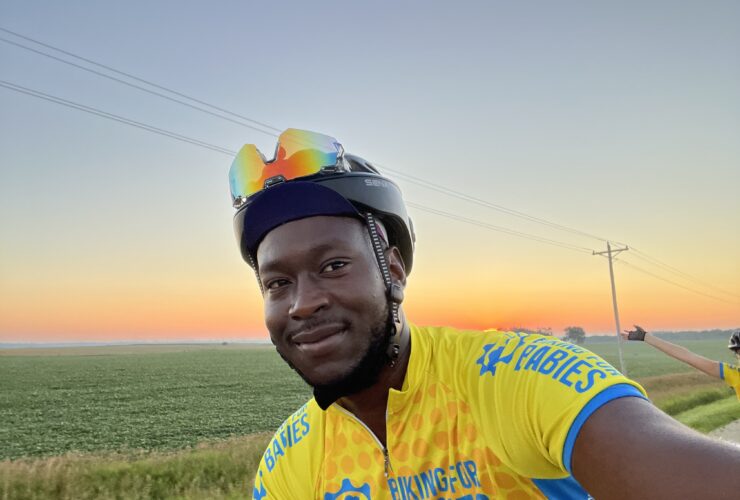
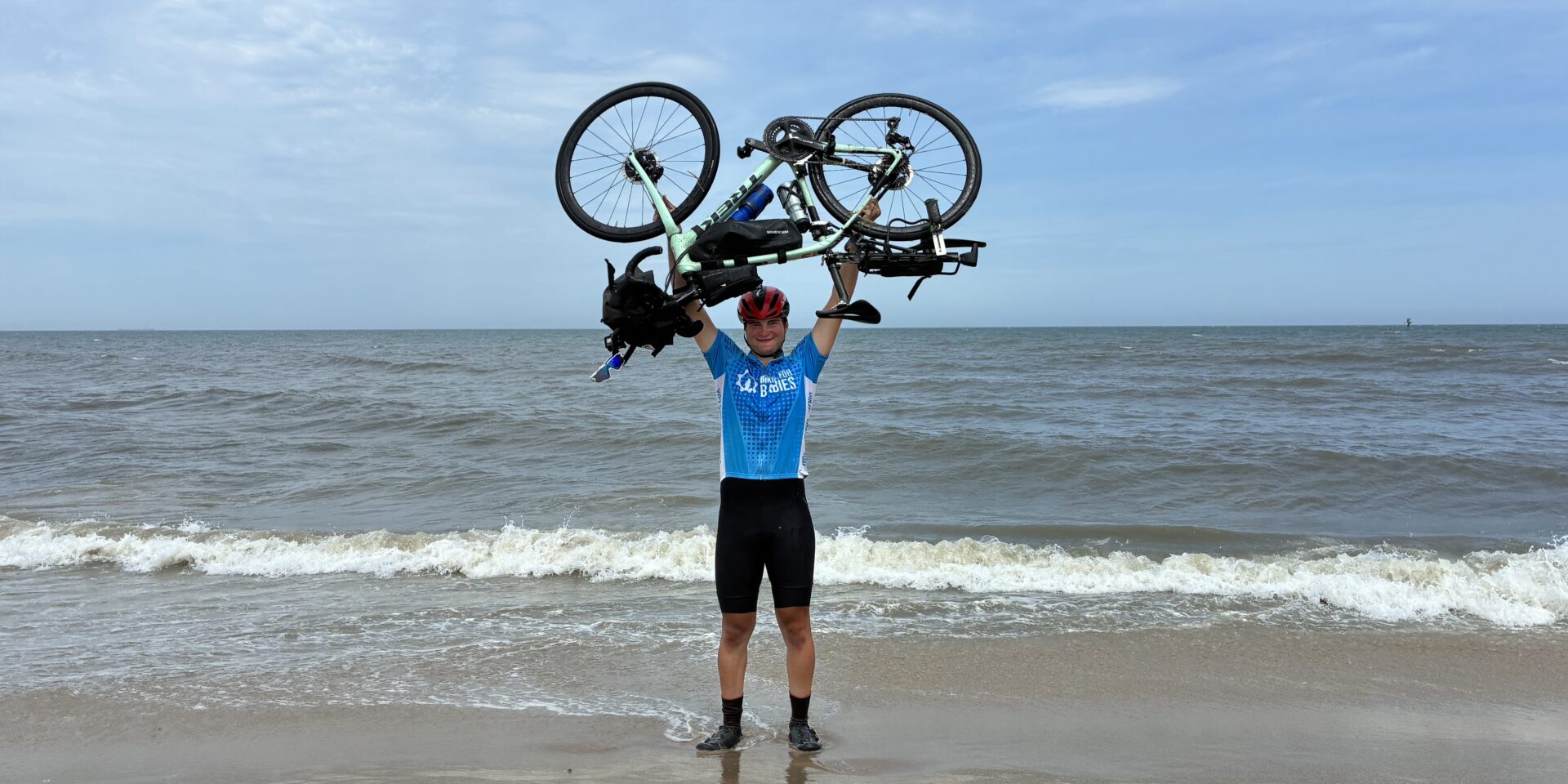
When Liam McDonald reached the Atlantic Ocean, the moment was quieter than most people would expect.
There were no crowds lining the shore. No finish-line tape. No roaring applause.
Just the recent Indiana University graduate, his bicycle, and the realization that after more than a month on the road, he had done what many would consider somewhat impossible: ride across America.
 Over 35 days, McDonald pedaled more than 3,400 miles from San Diego, California, to Delaware. He climbed nearly 130,000 feet of elevation, crossed 14 states, endured mountain passes, triple-digit heat, and moments when injury threatened to end the ride altogether.
But the achievement itself was never the point.
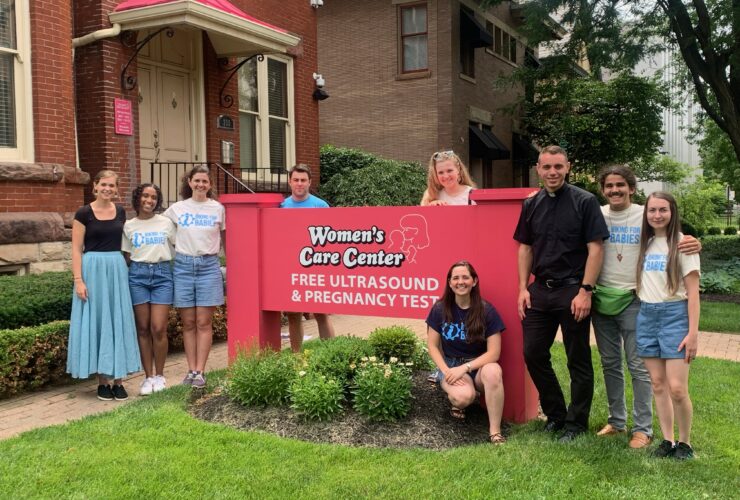
McDonald undertook the journey as a fundraising ride for Biking for Babies, a nonprofit that supports pregnancy resource centers serving women and families facing unexpected pregnancies. Every mile was intended to advance a mission he has cared about for most of his life.
Growing up in a family of 10 children, McDonald was immersed in pro-life ministry from an early age. His mother was involved in right-to-life efforts in Iowa, and conversations about supporting mothers and protecting the unborn were a regular part of family life. Years later, as he developed a passion for endurance cycling, he began to wonder whether a cross-country ride could become something more than a personal challenge.
“I could do this for something where people would be really glad to host me and support me,” he said. “But also, it means a lot more when there’s something bigger than just yourself.”
That sense of purpose proved essential when the ride became difficult.
And it became difficult often.
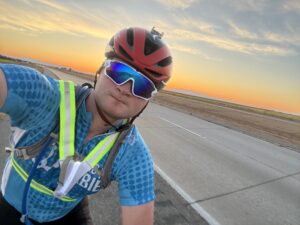 In Colorado, after days of climbing through the Rockies, knee pain grew so severe that McDonald genuinely believed the ride might be over. At more than 10,000 feet in elevation, battling exhaustion, altitude, and steep grades while hauling nearly 50 pounds of gear, he spent hours wondering whether he could continue.
Later, in Missouri, extreme heat left him disoriented enough that he walked into a store and momentarily couldn’t remember where he was. Another setback came when an Achilles injury forced him to abandon his cycling shoes and finish hundreds of miles wearing inexpensive slip-on sandals purchased at a Dollar General.
At several points, he admits he was convinced he wouldn’t make it to the East Coast.
Yet during those moments of physical suffering, his thoughts turned to the women and families he was riding for.
“When you’re doing something like this and you’re in those painful situations, you think about all those who don’t have those blessings,” McDonald said. “And are going through these difficult times and have these difficult decisions to make. To be able to offer some resources to maybe help provide some of those support systems definitely does occur to you, and it helps you get through some of those tougher times.”
For him, the ride became a tangible reminder that difficult circumstances are rarely overcome alone.
Every evening brought evidence of that.
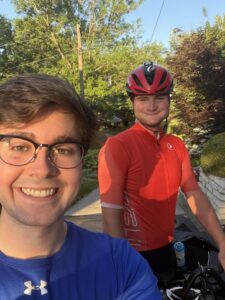 Throughout the journey, host families opened their homes to him. Many had never met him before. They offered meals, beds, conversation, encouragement, and sometimes introductions to friends and neighbors who wanted to hear about his ride.
Those encounters became some of the most meaningful moments of the trip.
After spending 10 or 11 hours alone on the bike each day, McDonald would sit around dinner tables hearing stories from people whose lives looked nothing like his own—a cattle rancher in the Midwest, families raising children in small towns, Catholics passionate about supporting local pregnancy centers, and countless others willing to help a stranger because they believed in the mission.
“The people never felt like a chore,” he said. “No matter how tired I was, it was always a pleasure.”
What struck him most was the generosity.
Again and again, he encountered people willing to sacrifice their time, resources, and hospitality to help someone they barely knew. The experience strengthened his belief that communities can step in when women and families face unexpected challenges.
By the time he reached Delaware, McDonald wasn’t just celebrating the completion of a cycling feat. He had come away with a deeper conviction about the work pregnancy resource centers perform every day.
“It’s convinced me of the goodness of people,” he said. “There is this support system.”
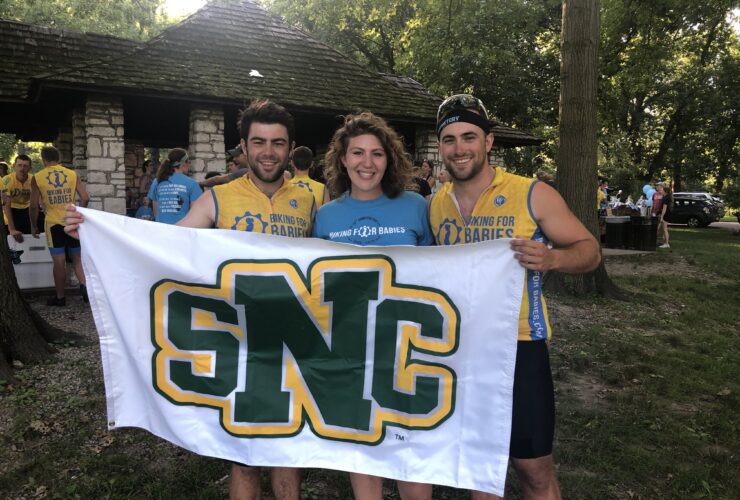
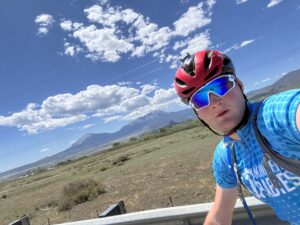 That belief lies at the heart of Biking for Babies’ mission. In addition to forming young adults as prayerful leaders in their communities, the organization raises money and awareness for pregnancy resource centers across the country, helping provide practical support, education, medical services, and material assistance for women and families navigating unplanned pregnancies.
For McDonald, the ride reinforced the idea that building a culture of life is about much more than slogans or policies. It’s about creating communities where women know they don’t have to face difficult situations by themselves.
Throughout the trip, he experienced that support firsthand. Strangers became friends. Host families became partners in the mission. Churches, volunteers, and donors made it possible for him to keep moving forward when quitting would have been easier.
In the end, that may have been the ride’s greatest lesson.
Crossing America required endurance. Supporting mothers and families requires much the same thing: perseverance, sacrifice, and people willing to show up when they’re needed.
Every mountain pass, every injury, every exhausting mile became worthwhile because it pointed toward that larger goal.
For McDonald, the journey was never really about riding across America.
It was about helping build a world in which every mother knows support is available, every child is welcomed, and no family has to walk through a difficult pregnancy alone.
Every mountain pass, injury, and exhausting mile reinforced a conviction for Liam McDonald: when women facing unexpected pregnancies are surrounded by support, both mother and child can flourish. His 3,400-mile journey became not just a test of endurance, but a witness to the culture of life that Biking for Babies seeks to build.
If you’d like to support Liam’s fundraising efforts, click here.
If you’d like to listen to his full interview, click here.